Dishwashers, Disposals & Water
Water Softener Repair for South Bend's Hard City Water
When spots return to glassware or the salt level never drops, your softener has stopped working. We find whether it is the brine tank, control valve, timer or resin.
- Calls answered 24/7
- Brine tank and valve repair
- Hardness setting checks
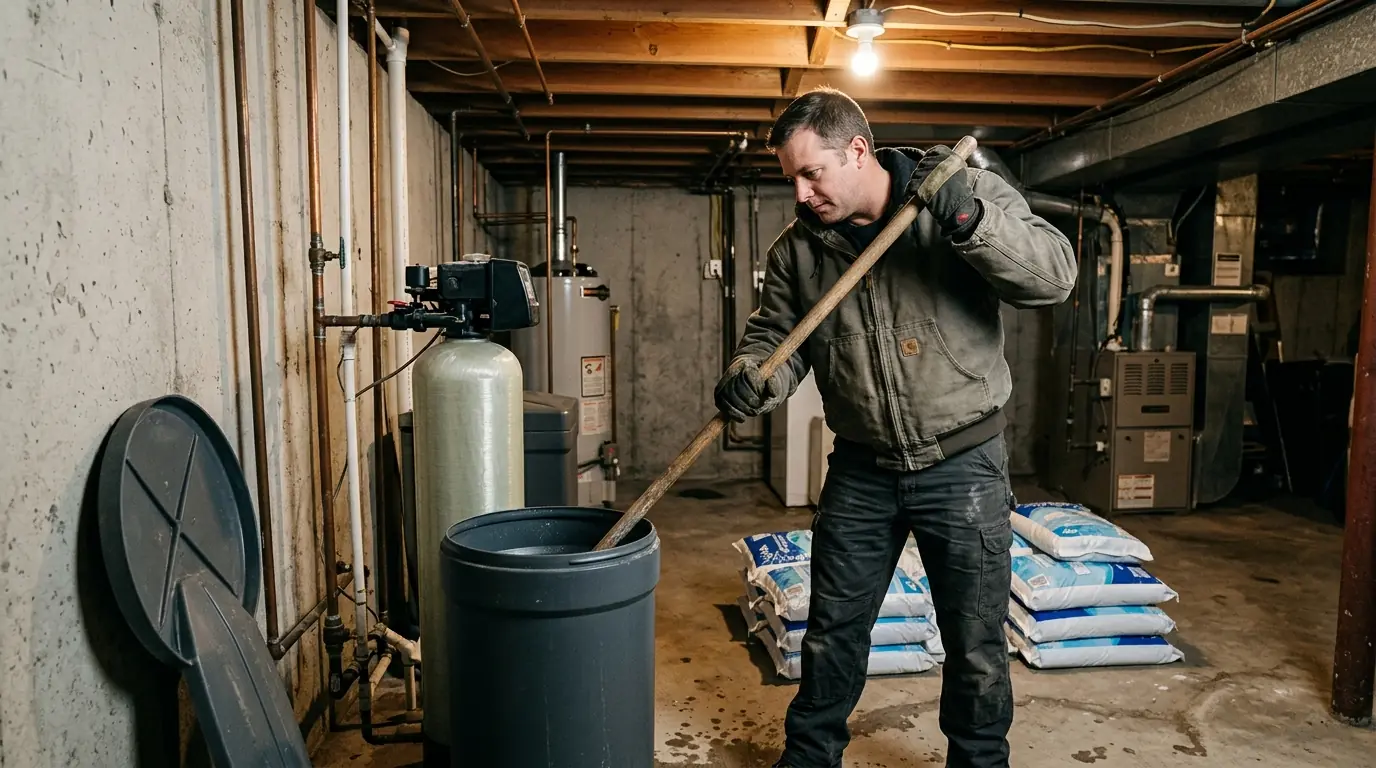
Water softener repair in South Bend usually starts at the brine tank, because salt bridges and mushing stop regeneration more often than part failures. If the salt is fine, we test the control valve, timer or meter, injector and brine line.
The problem
Water Softener Repair in South Bend: What Usually Goes Wrong
A softener exchanges hardness minerals for sodium on a bed of resin beads. During regeneration, the control valve draws brine from the salt tank, rinses the resin, and flushes the captured minerals down the drain. If brine is not drawn, the resin stops working within days even though everything looks normal.
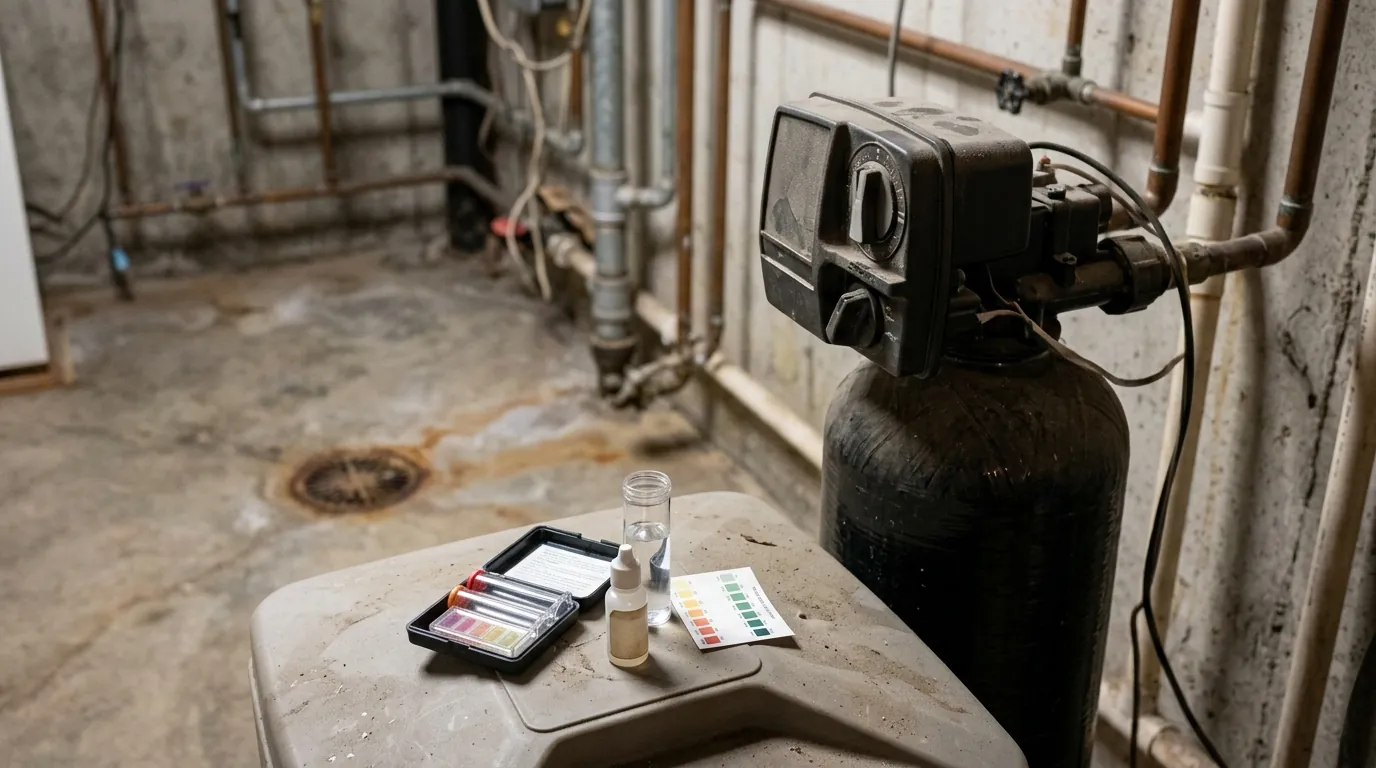
We test hardness at the tap before and after the softener, which tells us right away whether it is working at all. Then we check the brine tank, the injector and screen, the valve seals and the timer or meter settings. Many softener problems turn out to be settings and salt, not broken parts.
Compare your options
Repair the Softener or Replace It?
| Repair | Replace | |
|---|---|---|
| Salt bridge or clogged injector | Clear and clean | Not needed |
| Worn seals or piston | Seal kit where available | Only if the head is obsolete |
| Worn resin, good valve | Rebed the resin | Optional |
| Worn resin and failing valve | Rarely worth it | Usually the better value |
Cost factors
What Shapes the Cost of a Softener Repair
Our cost sources do not list a national range for water softener repair. The main drivers of cost are these.
Salt or parts
Clearing a salt bridge or cleaning an injector costs far less than replacing seals, a piston or a control valve motor.
Control valve design
Some valves accept seal kits and replacement pistons. Others are sold as a full head, which changes the repair cost a great deal.
Resin replacement
Replacing resin means emptying and refilling the mineral tank, which is more labor than any brine tank or valve repair.
Softener age
On an older unit with a worn valve and tired resin, replacing the whole softener may cost less over time than repairing both parts.
Softener Not Regenerating
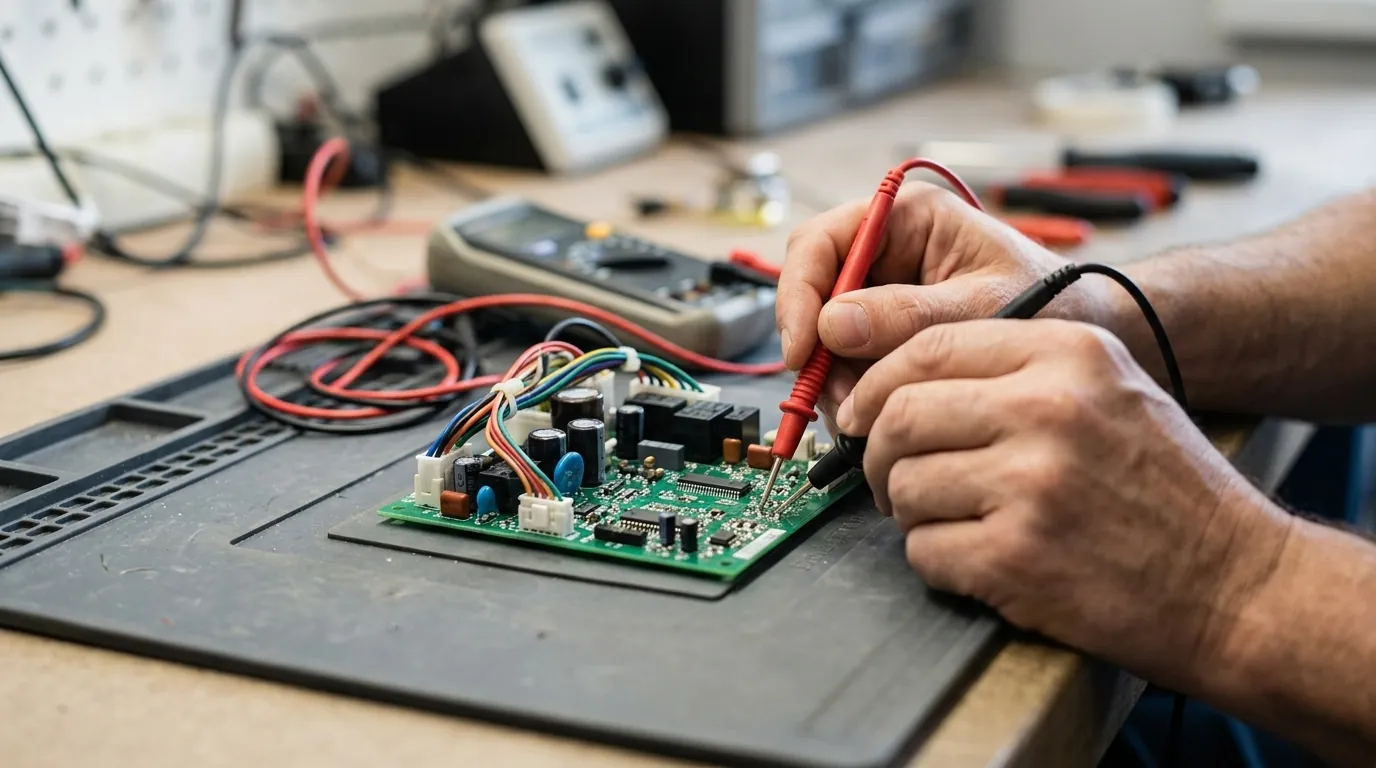
If the salt level never drops, the softener is not drawing brine. A clogged injector or screen, a kinked brine line or a stuck brine valve are common causes. A power outage can reset the timer clock, so regeneration happens at the wrong time or not at all. We clean the injector and screen, check the brine line and test the valve's regeneration cycle step by step to confirm each stage runs. If the valve motor does not advance through the cycle, we test it and the control next.
Salt Bridges and Brine Tank Problems
A salt bridge is a hard crust that develops across the tank, leaving an empty space underneath. The salt level looks full, but no brine is made, so the softener regenerates with plain water. Salt mushing is the opposite: a sludge at the bottom that blocks the brine well. We break up the bridge, clear the mush, clean the tank and recommend salt that holds up better in your conditions. High humidity and overfilling the tank both make bridging more likely, so we suggest a fill level that suits your tank.
Control Valve and Timer Faults
The control valve directs water through each regeneration stage. Worn seals and spacers let water bypass the resin or run to drain continuously. A failed motor, a stuck piston or a meter that no longer reads flow stops regeneration. On timer models, a reset clock causes regeneration at the wrong time. We test each stage, inspect the seals and piston and set the clock and hardness correctly. Seal kits restore many valves without replacing the whole head. We confirm drain flow too.
Resin Bed Wear and Hard Water Returning
Resin beads last many years but eventually lose capacity, especially with chlorinated water or iron. If brine draw and the valve all check out but hard water returns soon after regeneration, the resin is likely worn. Cracked or crushed beads also show up as a sandy material at the faucets. We test hardness, confirm the cycle runs, and recommend a resin replacement when the bed is the cause. Rebedding keeps the tank and valve in service. Iron in the water shortens resin life further.
Any hour
Water Softener Repair problem right now?
Call and tell us what the appliance is doing. Phones are answered day and night, and we will get a technician scheduled.
Scope of the job
What a Softener Service Visit Covers
- Hardness test before and after the softener
- Brine tank inspection, bridge and mush removal
- Injector and screen cleaning
- Manual regeneration with each stage checked
- Control valve seal and piston inspection
- Clock, hardness and schedule setup
Local conditions
Why This Repair Looks Different in South Bend
South Bend city water averages 330 to 410 mg/L as calcium carbonate, 19 to 24 grains per gallon, and it changes with which wells are pumping, so a setting that worked one season can fall short the next. The city suggests starting a softener at 19 grains. We test your tap during the visit and set hardness to match. Readings vary across the year.
Step by step
How We Repair a Water Softener
Test hardness at the tap
We test water before and after the softener to confirm whether it is softening and how hard your incoming water is.
Check the brine tank
We look for salt bridges and mushing, measure the brine level and clean the tank and brine well where needed.
Run a manual regeneration
We step the valve through each stage, watching brine draw, backwash and rinse, and clean the injector and its screen.
Set and verify
We set the clock, hardness and regeneration schedule to your water, then retest hardness after the softener once it has regenerated.
FAQ
Water Softener Repair Questions From South Bend Homeowners
A salt bridge has likely developed: a crust across the tank with empty space below, so no brine is made. Push a broom handle down through the salt to check. If it hits a hard layer, break it up. If not, check the injector and valve.
The city suggests starting at 19 grains per gallon. South Bend water averages 19 to 24 grains and varies with which wells are in use, so testing your tap and setting the softener to that reading or a little above works better.
If the softener regenerates properly, with brine drawn and the salt level dropping, but hard water returns soon after, the resin has likely lost capacity. Sandy beads at faucets or in the toilet tank point to broken resin. We confirm with hardness tests before recommending rebedding.
It can. Many timer-based softeners lose their clock time during an outage and then regenerate at the wrong time of day or on the wrong schedule. Check the display after any outage and reset the clock. If the display is blank or shows an error, the control may need service.
It usually means the control valve is stuck in a regeneration stage from worn seals, a stuck piston or debris. It wastes water and can flood the brine tank. Turn the softener to bypass and call us so we can inspect the valve.
Related repairs
More Dishwashers, Disposals & Water Repairs We Handle
From our appliance tips: Dirty or Spotty Dishes From Your Dishwasher? Where to Start in South Bend and How South Bend's Hard Water Wears on Dishwashers, Washers and Ice Makers.
Phones answered 24/7
Hard Water Back? Phone Markley
In South Bend's hard water, a softener that stops regenerating shows up fast on glassware, fixtures and appliances. Phone us any time and we'll test your water and get it softening again.